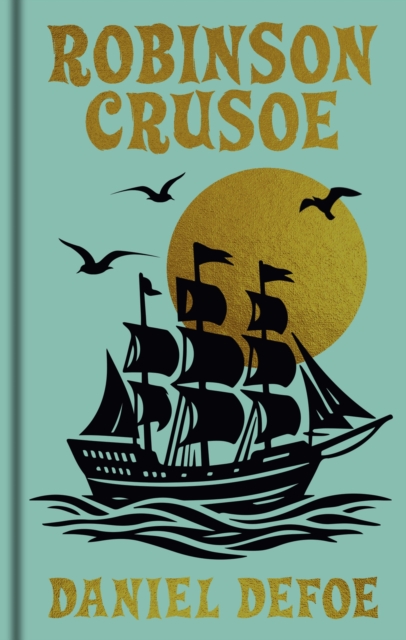
Robinson Crusoe
His Life and Strange Surprising Adventures
(Autor) Daniel DefoeDefoe's most celebrated story of Crusoe's shipwreck, his resourcefulness and ingenuity in his soliatry life on a desert island and his rescue of Man Friday has been abridged and retold many times since its publication (in two volumes) in 1719. It even appeared recently in graphic-novel form. In 1968 Kathleen Lines determined to make the original text more accessible to young readers by breaking Defoe's original, continuous narrative into chapters, slightly cutting Crusoe's long meditations, and compressing the relevant bits of THE FARTHER ADVENTURES into a neat Epilogue, so that readers learn what happened to Friday. The evocative engravings are reproduced from a mid-nineteenth-century edition published by Cassell, Petter & Gilpin.
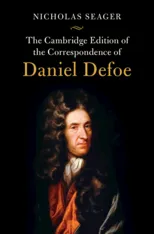
Daniel Defoe
Daniel Defoe was an English writer, journalist, and pamphleteer born in 1660. He is best known for his novel "Robinson Crusoe," which is considered one of the first English novels and a pioneering work in the genre of adventure fiction. Defoe's writing style is characterized by its realism and vivid storytelling, often drawing on his own experiences and observations.
In addition to "Robinson Crusoe," Defoe wrote numerous other works, including "Moll Flanders," "A Journal of the Plague Year," and "The Adventures of Captain Singleton." His works often explore themes of individualism, survival, and the human spirit. Defoe's contributions to literature include popularizing the novel as a literary form and influencing later authors such as Jonathan Swift and Charles Dickens.
Overall, Daniel Defoe is remembered as a groundbreaking writer whose works continue to be studied and admired for their narrative skill and enduring themes.
Other related