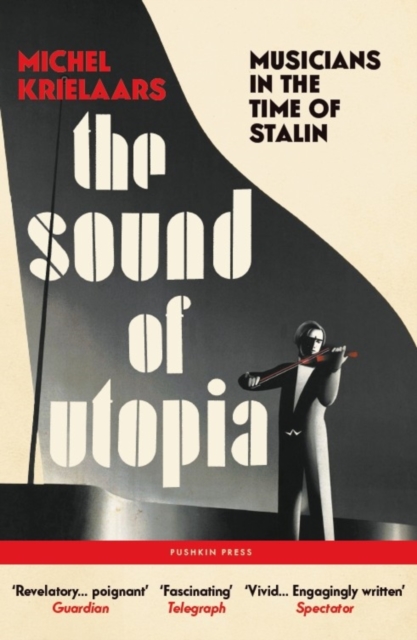
The Sound of Utopia
Musicians in the Time of Stalin
(Autor) Michel Krielaars“Revelatory and poignant” stories of suppression and freedom, told through the artists trying to make music in the dangerous time of Stalin's purges (The Guardian). “Krielaars testifies to a deep knowledge of Russia. Told with the voice of a great master” — Pieter Waterdrinker, author of The Long Song of Tchaikovsky Street “Highly readable. . . Transport[s] us through a rich mix of anecdotal and historical material” — Financial Times When Stalin came to power, making music became a dangerous endeavour. Russian composers now had to create work that served the socialist state, and all artistic production was scrutinized for potential subversion and traces of the now-maligned "formalism." The Sound of Utopia offers a vivid portrait of Soviet musicians and composers struggling to create art in this climate of terror. Some successfully toed the ideological line, following the whims of the powerful and diluting their work in the process; others ended up facing the Gulag or even death. With pace and verve, Michel Krielaars tells stories of intrigue, betrayal and stunning reversals of fortune, from the gay popular singer arrested at the height of his popularity to the blacklisted composer who wrote his greatest music on scrap paper in a forced labour camp. Featuring fresh perspectives on famous figures such as Sviatoslav Richter and Sergei Prokofiev alongside suppressed and forgotten artists such as Vsevolod Zaderatsy, The Sound of Utopia offers a portrait of the full range of Soviet musical life. Dramatic and immersive, this is a rich exploration of the absurdity and the richness of Soviet musical life—and a tribute to those who crafted sublime melodies under the darkest circumstances.
Michel Krielaars
Michel Krielaars is a Dutch journalist, writer, and literary critic known for his insightful commentary on Russian literature. He has written extensively on Russian literature and culture, including his acclaimed book "Alles voor het moederland" (Everything for the Motherland), which explores the impact of the Russian Revolution on Russian literature.
Krielaars is praised for his meticulous research, engaging writing style, and deep understanding of Russian literature. His work sheds light on the complexities of Russian society and history, offering valuable insights for readers interested in the country's rich literary tradition.
Overall, Michel Krielaars has made a significant contribution to the field of literary criticism, particularly in the realm of Russian literature. His work continues to influence and inspire readers and scholars alike.
Other related

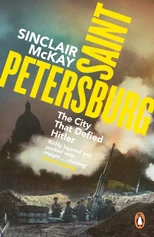
Saint Petersburg
Sacrifice and Redemption in the City That Defied Hitler