
Warning to the West
(Autor) Aleksandr Solzhenitsyn'Can one part of humanity learn from the bitter experience of another or can it not? Is it possible or impossible to warn someone of danger...to assess soberly the worldwide menace that threatens to swallow the whole world? I was swallowed myself. I have been in the dragon's belly, in its red-hot innards. It was unable to digest me and threw me up. I have come to you as a witness to what it is like there, in the dragon's belly' During 1975 and 1976, Nobel Prize-winner Aleksandr Solzhenitsyn embarked on a series of speeches across America and Britain that would shock and scandalise both countries. His message- the West was veering towards moral and spiritual bankruptcy, and with it the world's one hope against tyranny and totalitarianism. From Solzhenitsyn's warnings about the allure of communism, to his rebuke that the West should not abandon its age-old concepts of 'good' and 'evil', the speeches collected in Warning to the West provide insight into Solzhenitsyn's uncompromising moral vision. Read today, their message remains as powerfully urgent as when Solzhenitsyn first delivered them.
Aleksandr Solzhenitsyn
Aleksandr Solzhenitsyn was a Russian novelist, historian, and Nobel Prize winner known for his works exposing the harsh realities of Soviet labor camps. His most notable works include "One Day in the Life of Ivan Denisovich," "The Gulag Archipelago," and "Cancer Ward." Solzhenitsyn's writing style is characterized by its raw honesty and detailed portrayal of human suffering under totalitarian regimes. His works had a profound impact on the literary world, shedding light on the atrocities of the Soviet Union and inspiring political activism. "The Gulag Archipelago" is considered his most famous and influential work, documenting the horrors of the Soviet labor camp system. Solzhenitsyn's contributions to literature continue to be celebrated for their powerful storytelling and social commentary.
Other related
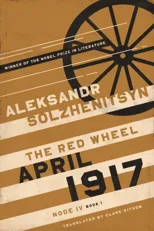
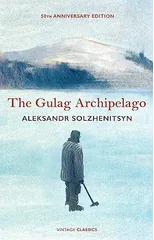
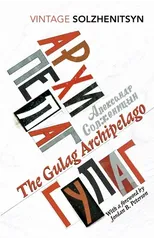
The Gulag Archipelago
50th Anniversary Abridged Edition
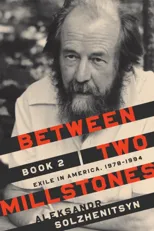
Between Two Millstones, Book 2
Exile in America, 1978-1994

Baby & the Late Night Howlers
An Omegaverse Why Choose MC Romance (Sweetverse Book 1)
