The Innocents Abroad
(Autor) Mark Twain"The Innocents Abroad" (Part 2 of 6) by Mark Twain offers a humorous and satirical look at 19th-century travel through Europe and the United States. This classic work presents Twain's observations and experiences as he journeys across the continent, providing a unique perspective on the culture, history, and people he encounters. A master of wit and social commentary, Twain transforms the travel narrative into a delightful exploration of contrasts between the Old World and the New. His sharp humor and keen observations make this book a timeless read for anyone interested in travel writing, American literature, or a satirical glimpse into a bygone era. This meticulously prepared print edition preserves the original text, allowing readers to experience Twain's journey exactly as it was written. A captivating blend of travelogue and social satire, "The Innocents Abroad" remains a relevant and entertaining read. This work has been selected by scholars as being culturally important, and is part of the knowledge base of civilization as we know it. This work is in the public domain in the United States of America, and possibly other nations. Within the United States, you may freely copy and distribute this work, as no entity (individual or corporate) has a copyright on the body of the work. Scholars believe, and we concur, that this work is important enough to be preserved, reproduced, and made generally available to the public. We appreciate your support of the preservation process, and thank you for being an important part of keeping this knowledge alive and relevant.
Mark Twain
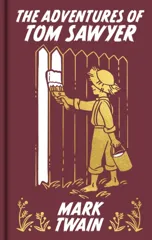
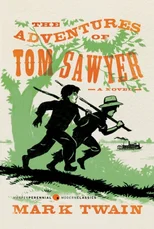
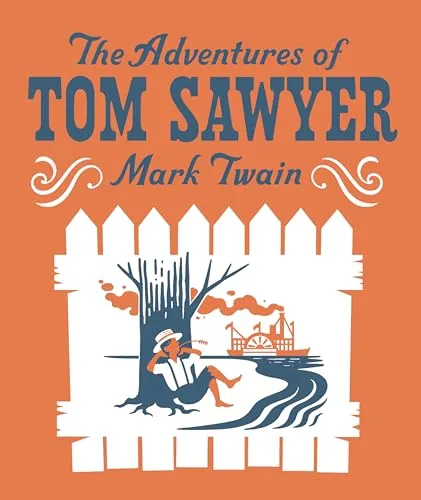
Mark Twain, born Samuel Clemens in 1835, was an American writer and humorist known for his sharp wit and satire. He is best known for his novels "The Adventures of Tom Sawyer" and "Adventures of Huckleberry Finn," which are considered classics of American literature. Twain's writing style is characterized by his use of vernacular language and his keen observations of human nature. He is credited with helping to shape the American literary tradition and is often referred to as the "father of American literature." Twain's works continue to be studied and celebrated for their humor, social commentary, and enduring relevance.
Other related
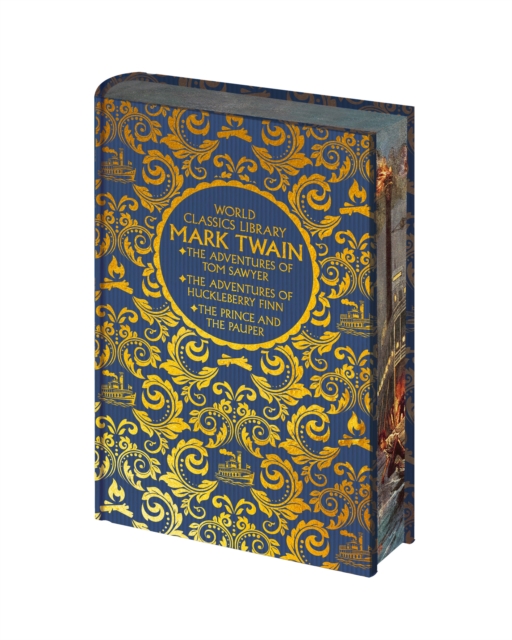
World Classics Library
Mark Twain : The Adventures of Tom Sawyer, The Adventures of Huckleberry Finn, The Prince and the Pauper