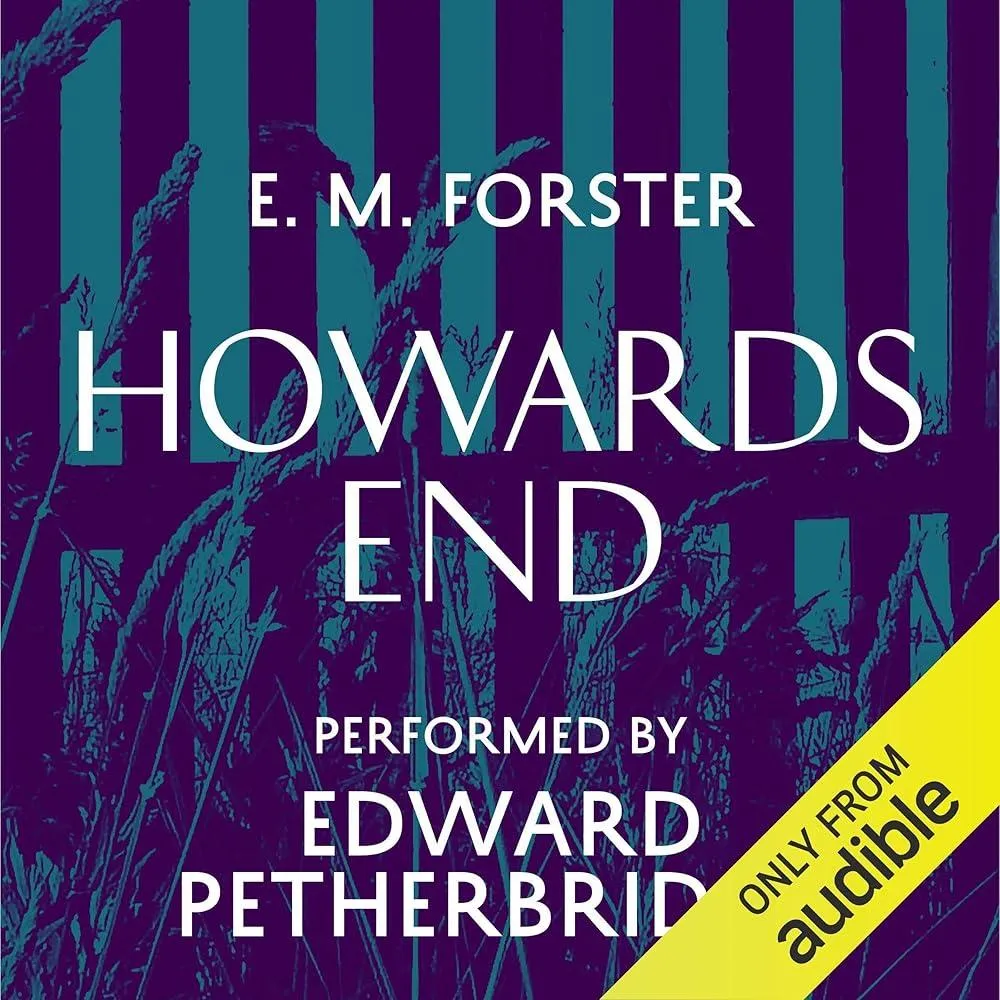
Howards End
(Author) E.M. Forster"Howards End" is a novel by E.M. Forster that explores the social and economic differences between the wealthy and the middle class in England during the early 20th century. The story revolves around three families: the wealthy and conservative Wilcoxes, the intellectual and idealistic Schlegels, and the working-class Basts. The plot follows the intermingling of these families and the conflicts that arise between them, as they navigate their respective positions in society. The novel's themes include the role of class in English society, the tension between traditional and modern values, and the search for a meaningful connection between people from different backgrounds. Throughout the novel, Forster explores the concept of "connection" and the idea that all human beings are linked in some way, despite their differences. Overall, "Howards End" is a nuanced exploration of the complexities of human relationships and the challenges of navigating class differences in society.
E.M. Forster
E.M. Forster was a British novelist and essayist known for his insightful social commentary and exploration of human relationships. His most notable works include "A Passage to India," "Howards End," and "A Room with a View." Forster's writing style is characterized by its clarity, wit, and empathy towards his characters. He is credited with pioneering the psychological novel and challenging traditional British social norms. "A Passage to India" is considered his masterpiece, tackling themes of colonialism, race, and cultural misunderstanding. Forster's works continue to be celebrated for their timeless relevance and profound exploration of human nature.
Other related
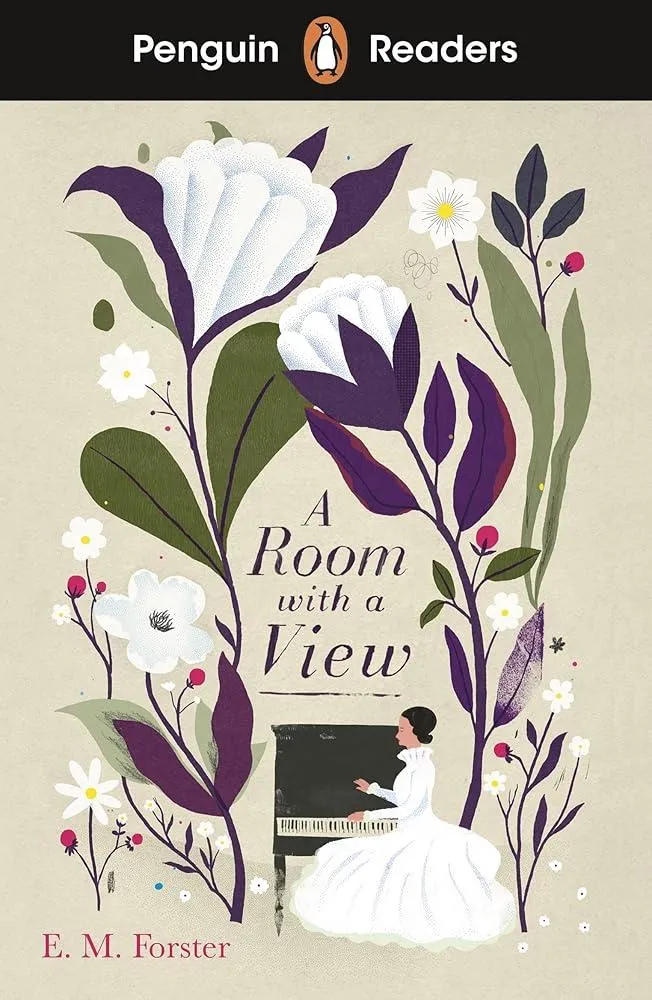
Penguin Readers Level 4
A Room with a View (ELT Graded Reader) : Abridged Edition
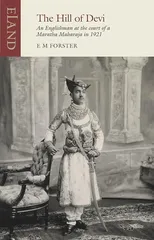
The Hill of Devi
An Englishman serving at the Court of a Maharaja