Treasure Island
14
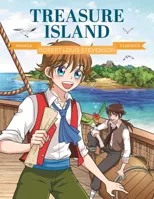
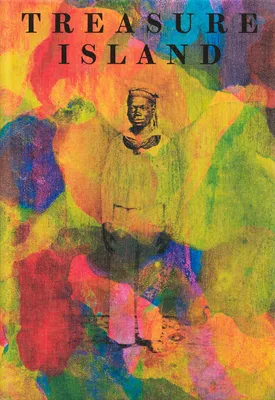
(Author) Robert Louis StevensonYoung Jim Hawkins has no reason to suspect that Billy Bones, the pensioner who has taken up residence in his father's inn, is anything other than an aging former mariner. But when violent altercations with visitors to the inn leave Billy on death's doorstep, Jim discovers that they all are members of the crew of the notorious pirate Captain Flint, and that Billy has a map that shows the whereabouts of Flint's buried treasure. . . First serialized in a children's magazine between 1881 and 1882 as a coming-of-age story for young readers, Treasure Island has transcended its time and intended audience. Robert Louis Stevenson's novel forged the template for the tale of pirate adventure, and many of its dramatic elements--including buried treasure, treasure maps, and pirate oaths, among others--have become iconic parts of virtually every pirate adventure story written in its wake.
Robert Louis Stevenson
Robert Louis Stevenson was a Scottish novelist, poet, and essayist, known for his adventurous and imaginative storytelling. His most notable works include "Treasure Island," "Strange Case of Dr Jekyll and Mr Hyde," and "Kidnapped." Stevenson's writing style is characterized by vivid descriptions, well-crafted plots, and a keen sense of suspense.
Stevenson made significant contributions to the genres of adventure fiction and Gothic literature, with his works exploring themes of duality, identity, and the human psyche. His most famous work, "Treasure Island," is a classic tale of pirates, treasure hunts, and moral ambiguity that has captivated readers of all ages for generations.
Overall, Robert Louis Stevenson's impact on literature is undeniable, as his works continue to be celebrated for their enduring appeal, timeless themes, and masterful storytelling.
Other related