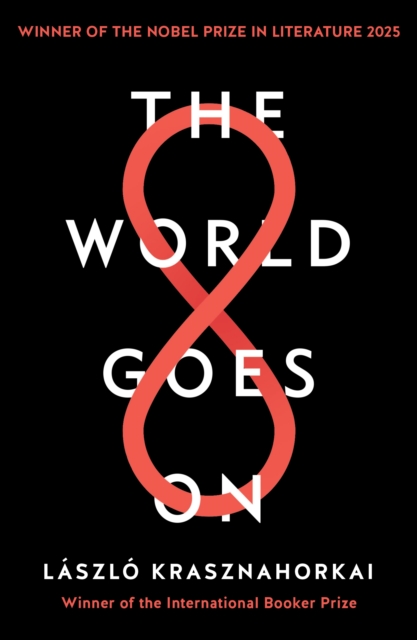
The World Goes On
Winner of the Nobel Prize in Literature 2025
(Author) Laszlo KrasznahorkaiShortlisted for The Man Booker International Prize 2018A Hungarian interpreter obsessed with waterfalls, at the edge of the abyss in his own mind, wanders the chaotic streets of Shanghai. A traveller, reeling from the sights and sounds of Varanasi, encounters a giant of a man on the banks of the Ganges ranting on the nature of a single drop of water. A child labourer in a Portuguese marble quarry wanders off from work one day into a surreal realm utterly alien from his daily toils.In The World Goes On, a narrator first speaks directly, tells twenty-one unforgettable stories, then bids farewell ('for here I would leave this earth and these stars, because I would take nothing with me'). As László Krasznahorkai himself explains: 'Each text is about drawing our attention away from this world, speeding our body toward annihilation, and immersing ourselves in a current of thought or a narrative...' The World Goes On is another masterpiece by the winner of the 2015 Man Booker International Prize. 'The excitement of his writing,' Adam Thirlwell proclaimed in the New York Review of Books, 'is that he has come up with his own original forms-there is nothing else like it in contemporary literature.'
Laszlo Krasznahorkai
Laszlo Krasznahorkai is a Hungarian writer known for his intricate and profound prose style. His works often explore themes of existential despair, human suffering, and the futility of existence. Krasznahorkai is best known for his novel "Satantango," which follows the lives of a group of villagers in a small Hungarian town as they navigate poverty, corruption, and decay.
Krasznahorkai's writing is characterized by its long, dense sentences and its dark, philosophical themes. He has been praised for his ability to create a sense of atmosphere and mood in his works, as well as for his innovative narrative structures. Krasznahorkai's impact on literature lies in his unique approach to storytelling and his ability to capture the complexities of the human experience.
Other related
A Mountain to the North, A Lake to The South, Paths to the West, A River to the East
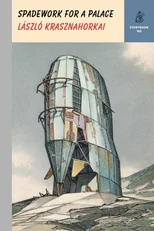
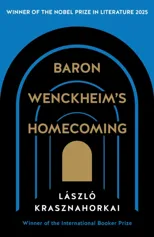
Baron Wenckheim's Homecoming
Winner of the Nobel Prize in Literature 2025
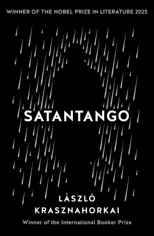
Satantango
Winner of the Nobel Prize in Literature 2025