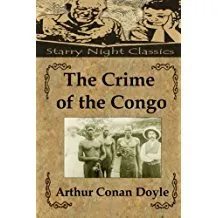
The Crime of the Congo
(Author) Sir Arthur Conan DoyleSir Arthur Conan Doyle wrote many novels and works of nonfiction, including the immortal tales of Sherlock Holmes. His interests, also, were broad-ranging. Conan Doyle became outraged upon learning of the abuses of human life that were committed as a result of Belgian King Leopold II's efforts to conquer and strip the Congo of its natural resources. In little more than a week in 1909, he documented the human rights abuses in The Crime of the Congo. It is considered "the most powerful indictment yet launched against the Belgian rulers of this bloodstained colony. After reviewing the early history of the Congo Free State Sir Arthur quotes the testimony of many unimpeachable witnesses regarding the brutalities of the 'rubber system' and the coldblooded mutilation and massacre of natives during the past fifteen years."
Sir Arthur Conan Doyle
Sir Arthur Conan Doyle was a British writer and physician, best known for creating the iconic detective character Sherlock Holmes. His most notable works include the Sherlock Holmes series, featuring novels such as "A Study in Scarlet" and "The Hound of the Baskervilles." Doyle's writing style is characterized by intricate plots, meticulous attention to detail, and clever deductions that have influenced the detective genre for generations to come. His contributions to literature include popularizing the detective story and creating one of the most enduring and beloved fictional characters in history. "The Adventures of Sherlock Holmes" remains his most famous work, showcasing his talent for crafting compelling mysteries and memorable characters. Doyle's impact on literature is immeasurable, as his works continue to inspire countless adaptations, tributes, and homages in various forms of media.
Other related
The Adventures & Memoirs of Sherlock Holmes (Deluxe Edition)