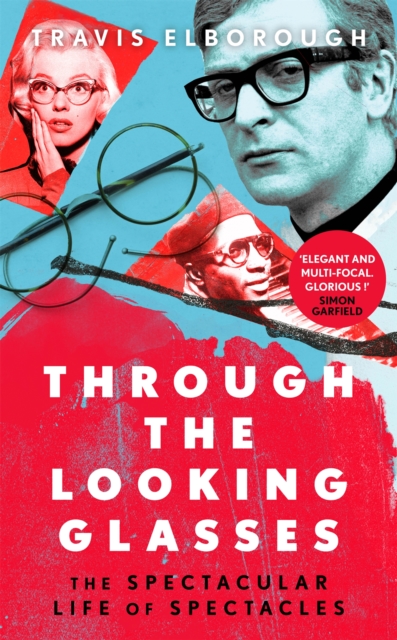
Through The Looking Glasses
The Spectacular Life of Spectacles
(Author) Travis Elborough'Everything was made for a purpose; everything is necessary for the fulfilment of that purpose . Observe that noses have been made for spectacles ; therefore we have spectacles' from Voltaire's Candide With the broad appeal of books by the likes of Mark Kurlansky, Bill Bryson and Simon Garfield, Travis Elborough uses a single, life-changing object to tell a much bigger story. Using personal observation, memoir, reportage, science, social history and cultural criticism , the book moves chronologically through the story of spectacles. The historical scope is wide, ranging from early theories about how the eye worked and theological and philosophical arguments about the limits of perception by Greek thinkers and Arab scholars, through to the ingeniousness of Italian glassmakers in the Medieval and Renaissance periods. There are appearances by the great and the good bespectacled men and women of yesteryear, running the gamut from the fictional Clark Kent in Superman to the authors Aldous Huxley, James Joyce, and Angela Carter, and including such actors and musicians such as Buddy Holly, Michael Caine, Dizzy Gillespie and John Lennon, and their lorgnettes, monocles, Pince-nez, horn-rims, tortoise-shell 'Oxfords' and Ray Ban aviator shades. Through the Looking Glasses is about vision and the need for humanity to see clearly and where the impulse to improve of our eyesight has led us. The society of the spectacle may finally be upon us . . . but how much of it do we really see?
Travis Elborough
Travis Elborough is a British author and cultural commentator known for his engaging and insightful exploration of urban history, architecture, and popular culture. His most notable works include "The Bus We Loved: London's Affair with the Routemaster" and "The Long-Player Goodbye: The Album from Vinyl to iPod and Back Again." Elborough's writing style is characterized by a deep appreciation for the quirks and idiosyncrasies of everyday life, as well as a talent for weaving together historical anecdotes and personal reflections. His contributions to literature have helped to shine a light on the overlooked aspects of modern society and have inspired readers to see the world around them in a new light. Elborough's most famous work is "The Bus We Loved," which delves into the cultural significance of London's iconic red buses and their impact on the city's identity.
Other related
Artists' Journeys That Shaped Our World
The travels that inspired the artistic greats Volume 2
Atlas of Forgotten Places
Journeys to Abandoned and Deserted Destinations Around the Globe
Atlas of Unexpected Places
Haphazard Discoveries, Chance Places and Unimaginable Destinations
Writers' Journeys That Shaped Our World
In the Footsteps of the Literary Greats Volume 1

Through The Looking Glasses
The Spectacular Life of Spectacles