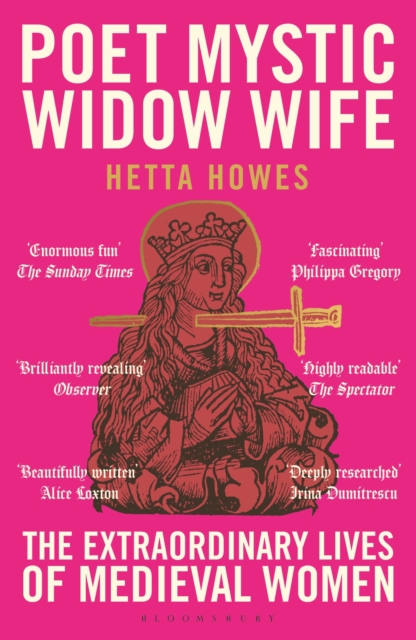
Poet, Mystic, Widow, Wife
The Extraordinary Lives of Medieval Women
(Author) Hetta Howes'A fascinating book about four women - it tells us so much about their world, and about our own... What jumps off the page is the liveliness of the women, their passion, their courage and their own way of being...' PHILIPPA GREGORY, author of The Other Boleyn Girl and Normal Women 'A celebration of female ambition and endeavour... enormous fun' The Sunday Times A spectacular, vivid, groundbreaking work of history which takes us into the minds and lives of medieval women. What was life really like for women in the medieval period? How did they think about sex, death and God? Could they live independent lives? And how can we hear their stories? Few women had the luxury of writing down their thoughts and feelings during medieval times. But remarkably, there are at least four extraordinary women who did. Marie de France, a poet; Julian of Norwich, a mystic and anchoress; Christine de Pizan, a widow and court writer; and Margery Kempe, a "no-good wife". In their own ways these four very different writers pushed back against the misogyny of the period. Each broke new ground in women's writing and left us incredible insights into the world of medieval life and politics. This mesmerizing book is an unforgettably lively and immersive journey into the everyday lives of medieval women through the stories of these four iconic women writers, some of which are retold here for general readers for the first time.
Hetta Howes
Hetta Howes is a scholar of medieval literature and gender studies, known for her research on medieval women's writing and the intersections of gender, language, and power in the Middle Ages. She has published numerous articles and book chapters on topics such as medieval mysticism, dream vision poetry, and women's literary networks.
Howes' most notable work is her book "Nuns' Literacies in Medieval Europe," which explores the literacy practices of medieval nuns and the ways in which they used writing to assert their authority and independence within the confines of the cloister. Through her meticulous research and insightful analysis, Howes sheds light on the often overlooked contributions of women writers in the medieval period.
Howes' writing style is characterized by its clarity, rigor, and attention to detail. She is known for her interdisciplinary approach to literature, drawing on history, philosophy, and feminist theory to illuminate the complexities of medieval texts and the lives of their authors.
Overall, Hetta Howes has made a significant impact on the field of medieval studies and feminist literary criticism, challenging traditional narratives of literary history and expanding our understanding of the role of women in the production and circulation of texts in the Middle Ages.
Other related
Poet, Mystic, Widow, Wife
The Extraordinary Lives of Medieval Women
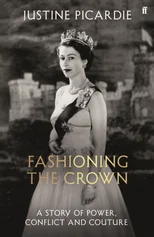
Fashioning the Crown
A Story of Power, Conflict and Couture
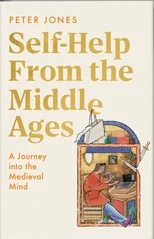
Self-Help From the Middle Ages
A Journey Into the Medieval Mind