Kokoro
(Author) Soseki NatsumeFrom Wikipedia: Kokoro (a aCuaCi or a a aCi) is a novel by the Japanese author Natsume Soseki. It was first published in 1914 in serial form in the Japanese newspaper Asahi Shinbun. While the title literally means heart, the word contains shades of meaning, and can be translated as the heart of things or feeling. The work deals with the transition from the Japanese Meiji society to the modern era, by exploring the friendship between a young man and an older man he calls Sensei (or teacher). It continues the theme of isolation developed in Soseki's immediately preceding works, here in the context of interwoven strands of egoism and guilt, as opposed to shame. Other important themes in the novel include the changing times (particularly the modernization of Japan in the Meiji era), the changing roles and ideals of women, and intergenerational change in values, the role of family, the importance of the self versus the group, the cost of weakness, and identity.
Soseki Natsume
Soseki Natsume was a Japanese novelist known for his masterpiece "Kokoro." His literary style was characterized by introspective and psychological depth, exploring the complexities of human emotions. He made significant contributions to modern Japanese literature, influencing generations of writers with his profound insights and innovative storytelling techniques.
Other related

Soseki Natsume's Collected Haiku
1,000 Verses from Japan's Most Popular Writer (Bilingual English & Japanese Texts with Free Online Audio Readings of Each Poem)
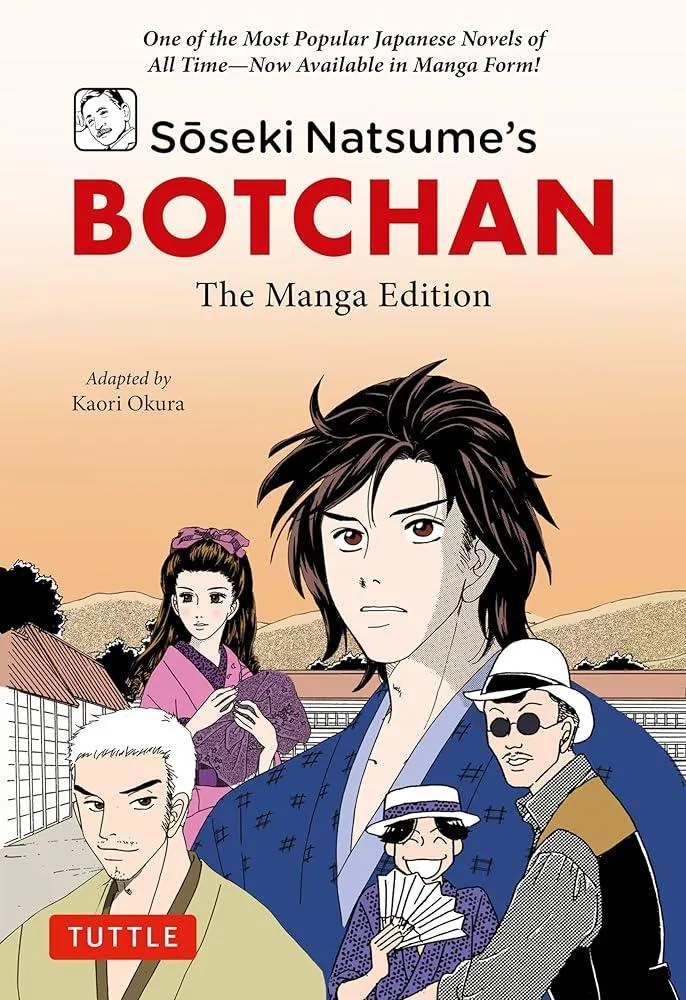
Soseki Natsume's Botchan
The Manga Edition : One of Japan's Most Popular Novels of All Time - Now Available in Manga Form!
