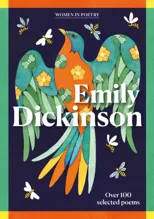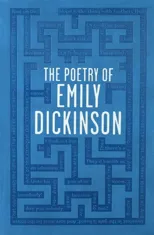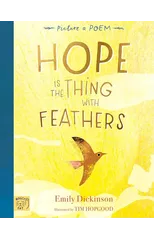
Poems
(Author) Emily DickinsonThis work has been selected by scholars as being culturally important, and is part of the knowledge base of civilization as we know it. This work is in the "public domain in the United States of America, and possibly other nations. Within the United States, you may freely copy and distribute this work, as no entity (individual or corporate) has a copyright on the body of the work. Scholars believe, and we concur, that this work is important enough to be preserved, reproduced, and made generally available to the public. We appreciate your support of the preservation process, and thank you for being an important part of keeping this knowledge alive and relevant.
Emily Dickinson
Emily Dickinson (1830-1886) was an American poet known for her unique and innovative writing style. She wrote nearly 1,800 poems, most of which were discovered after her death. Dickinson's work is characterized by its unconventional punctuation, capitalization, and use of metaphor. She often explored themes of death, love, nature, and spirituality in her poetry.
One of Dickinson's most notable works is "Because I could not stop for Death," a poem that reflects on the nature of mortality and the passing of time. Her contributions to literature include challenging traditional poetic forms and themes, paving the way for modernist poets to come.
Dickinson's impact on the literary genre of poetry is significant, as she is considered one of the most important and influential American poets of the 19th century. Her work continues to be studied and celebrated for its depth, complexity, and originality.
Other related