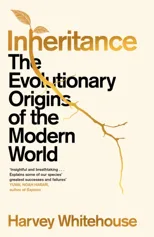
金瓶梅
下册
(Author) Harvey Whitehouse 兰陵笑笑生金瓶梅, 十六世纪下半叶明朝后期,一个化名"兰陵笑笑生"的人写了一部后来被禁又禁,删了又删的小说,对性和社会生活入木三分的写法使这部小说被有话语权的阶层渲染得声名狼藉,而只能在他们少数人中间传阅。Z. Bridge Press Home/之桥书屋在此向全球读者隆重推荐完整的崇祯版《金瓶梅》。 金瓶梅得名于三大女主--潘金莲,李瓶儿和庞春梅。 中国评论家认为标题中的三个汉字都象征着人性的一个方面,例如金代表钱财,瓶是酒瓶,指代酒,梅是花,寓意美女和性。所以金瓶梅代表了人的贪欲纵欲和色欲。 普林斯顿大学出版社在描述罗伊(David Roy)的翻译时称这部小说是"叙事艺术形式发展的里程碑--不仅从特定的中国视角,而且在世界历史背景下, 以其惊人的现代手法而著称"......"除了《源氏物语》和《堂吉诃德》之外,世界文学中没有早期的散文小说作品具有同等的复杂性"。
Harvey Whitehouse
Harvey Whitehouse is a British social anthropologist known for his research on the evolution of religion and rituals. His most notable work, "Modes of Religiosity: A Cognitive Theory of Religious Transmission," explores the role of rituals in shaping social cohesion and group identity. Whitehouse's research has had a significant impact on the study of religion and cultural evolution. His work is characterized by a rigorous empirical approach and a focus on interdisciplinary collaboration. Whitehouse's contributions to the field of anthropology have helped to deepen our understanding of the origins and functions of religious practices.
兰陵笑笑生
Other related
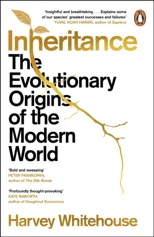
Inheritance
The Evolutionary Origins of the Modern World

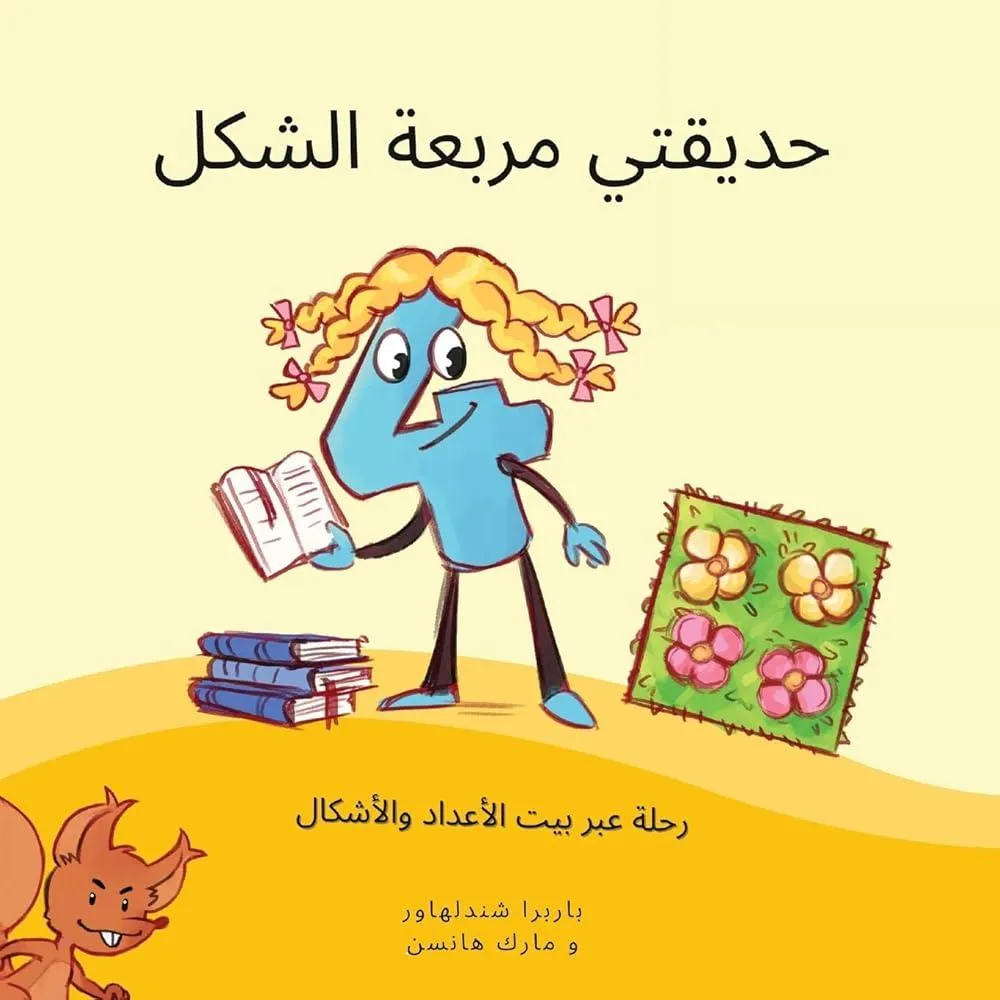
حديقتي مربعة الشكل
رحلة عبر بيت ا