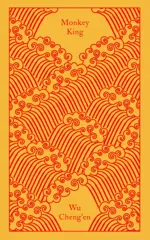
Monkey
(Author) Wu Ch'eng-enWu Ch'ang-en wrote Monkey in the middle of the 16th century, adding to an ancient chinese legend his own touches of delicacy and humour. The result is a jumble of the absurd and the profound, of religion and history, of anti-bureaucratic satire and pure poetry. While the story te lls of Tripitaka's journey to India and what happens on the way, its true theme is man's pilgrimage through life, with Monkey, Pigsy and Sandy symbolizing the diverse elements of human nature.
Wu Ch'eng-en
Wu Ch'eng-en (c. 1500-1582) was a Chinese novelist and poet best known for his classic work "Journey to the West." This epic novel, also known as "Monkey," is considered one of the four great classical novels of Chinese literature. Wu's writing style is characterized by its humor, satire, and fantastical elements, blending elements of folklore, mythology, and Buddhist philosophy. "Journey to the West" has had a lasting impact on Chinese literature and popular culture, with its timeless themes of heroism, redemption, and the journey towards enlightenment. Wu's work continues to be celebrated and studied for its rich storytelling, complex characters, and profound insights into human nature.
Other related